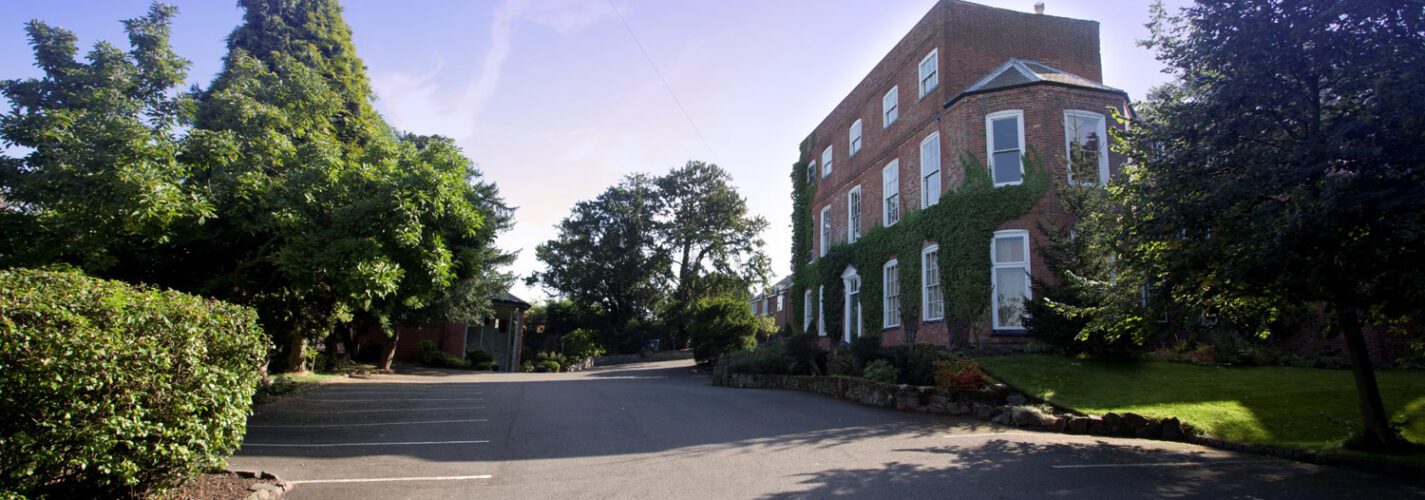
There is something undeniably different about working in a period building. The atmosphere feels calmer, the surroundings more inspiring, and the environment often far more memorable than rows of identical modern offices.
Many period buildings naturally incorporate the same features now championed in modern wellbeing-focused workplace design.
As businesses place increasing focus on employee well-being, productivity and retention, many are rediscovering the benefits of characterful workplaces — especially those with history, heritage and personality.
A workplace with character inspires people
Historic buildings naturally create a stronger emotional connection than generic office blocks. Original features, architecture and craftsmanship add warmth and individuality that employees genuinely enjoy being around.
Whether it is exposed beams, grand staircases, period windows or landscaped grounds, these spaces feel human rather than sterile/corporate — helping employees feel more relaxed and engaged throughout the working day.
Better environments reduce stress
Studies consistently show that pleasant surroundings can reduce stress levels and improve concentration, creativity and morale.
Modern workplace design increasingly focuses on wellness, but historic buildings often achieve many of these benefits naturally.
High ceilings, large windows and traditional layouts can create:
- More natural light
- Better ventilation
- Quieter working environments
- A calmer atmosphere
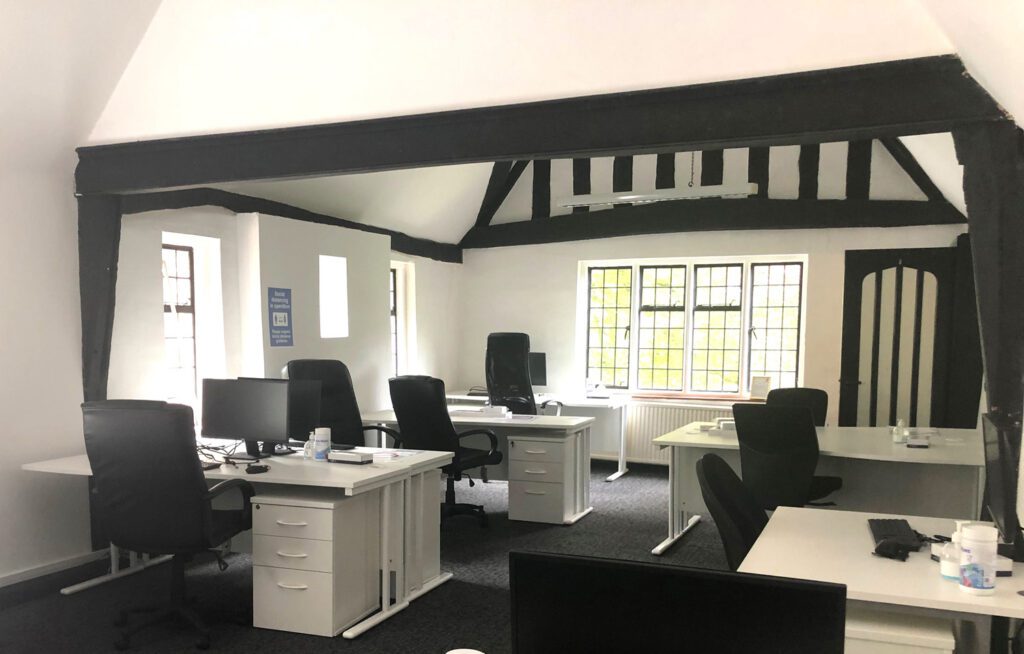
dbs office (Leicester)
Employees remember experiences, not boxes
Today’s workforce values experience, just as much as salary. Employees increasingly want workplaces that feel inspiring, social and meaningful.
Research by Oxford Economics pegs the average cost of replacing a single employee at £30,614 – this accounts for lost output while a replacement gets up to speed, plus logistical recruitment expenses.
Workspace in historic properties often create:
- A stronger sense of identity
- More memorable client interactions
- Improved workplace pride
- Better staff satisfaction
In competitive industries, even the office environment can influence recruitment and retention.
Heritage spaces encourage creativity
Research has shown that employees working in wellbeing-focused environments reported productivity increases of almost 13%, alongside improved overall workplace satisfaction.
There is a reason many creative companies choose converted manor houses, mills and heritage properties over standard offices.
Historic surroundings stimulate curiosity and conversation. They break routine and help teams think differently — something especially valuable during meetings, collaboration sessions and strategic planning days.
Poor workplace design costs businesses money
A UK workplace study found poorly designed workplaces cost the UK economy up to:
- £71.4 billion annually
The report also found:
- 89% of employees satisfied with their workplace were also satisfied with their employer
Workplace environment is no longer just about aesthetics — it directly impacts employee satisfaction, retention and productivity.
dbs managed offices flexible workspaces cover Leicester, Derby, Nottingham and Ashby de la Zouch (Leicestershire, Derbyshire and Nottinghamshire)