For years, city centre offices were seen as the go to for business. But the modern workplace is changing and increasingly, companies are discovering that being outside the city can actually offer a smarter, more productive way to work.
From improved employee well-being to easier access and lower operating costs, out-of-city offices are becoming a strategic choice rather than a compromise.
Easier commuting = happier employees
Long city commutes can quickly impact stress levels, morale and productivity. Congested roads, delayed trains and expensive parking are daily frustrations for many employees.
Out-of-city office locations often provide:
- Easier road access
- Free or lower-cost parking
- Shorter commute times
- Less crowded surroundings
When employees arrive at work feeling calm and unrushed, it creates a noticeably more positive working environment.
Better value without sacrificing quality
One of the biggest advantages of offices outside major city centres is value for money.
Businesses can often access:
- Larger office spaces
- Higher-quality meeting rooms
- Better on-site facilities
- Outdoor space and landscaped surroundings
— all for significantly lower costs than city centre equivalents.
This allows companies to invest more in their people, technology and growth, rather than simply paying premium city rents.

dbs gardens, Castle Donington
Improved work/life balance
Today’s workforce increasingly values flexibility and quality of life. Out-of-city offices can support this by offering more accessible locations, closer to where employees live.
For many businesses, this means attracting talent from a wider geographical area, without requiring staff to commute into busy city centres every day.
The result is often:
- Better employee retention
- Reduced absenteeism
- Improved morale
- Greater overall job satisfaction
Easier meetings for regional teams
For companies working across multiple regions, out-of-city business hubs can be more practical than city centres.
Locations near major motorways, airports and transport links make meetings easier, for travelling teams and visiting clients.
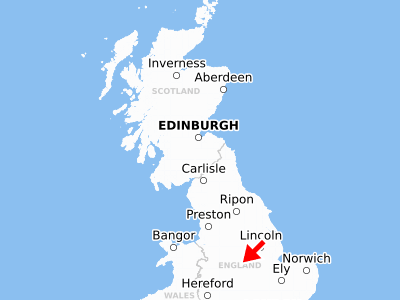
Areas such as the Midlands and M1/M42 corridor have become increasingly popular because they offer excellent national connectivity without the congestion and cost associated with larger cities.
More space to think clearly
Environment matters more than many businesses realise.
Offices outside city centres often provide quieter surroundings, natural light, green spaces and a calmer atmosphere — all of which can positively influence concentration, creativity and employee well-being.
In a world of constant digital noise and fast-paced working, space itself has become a workplace benefit.
The future workspace is about balance
Hybrid working has changed what businesses need from office space. Employees are no longer commuting simply because they have to — they want workplaces that genuinely improve their working experience.
Out-of-city offices provide many of the things modern businesses now prioritise:
- Flexibility
- Accessibility
- Well-being
- Cost efficiency
- Better working environments
For many organisations, the question is no longer “Why move outside the city?” — but “Why stay in it?”