There is more to planning an in-person meeting than sending the invite. With remote working now standard for many businesses, when you need to hire a meeting room, you want to be sure you are choosing the right space for your in-person meeting.
Whether you need a meeting room for a board meeting, training session, or presentation to prospective clients, the room you book is important-from the size, configuration, to the facilities required. Be it any situation; at dbs, there is always a meeting room available to suit the requirements. Hosting a wide array of facilities and located within the heart of the Midlands, accessing our managed offices could not be easier. In this blog, we will help with the factors you need to consider when choosing a meeting room so that it is perfect for your requirements.
Key Factors to Consider When Choosing a Meeting Room
Choosing the right meeting room starts with understanding your needs and how you need the room to work for you. Each type of meeting requires different setups, technology, and space considerations. Here are some guiding factors to consider:
1. Room Size and Layout
Comfortably Accommodate Your Group: First, you’ll need to determine the number of people attending to avoid cramped spaces or overly large areas that feel empty.
Meeting Room Layouts: Some popular configurations include:
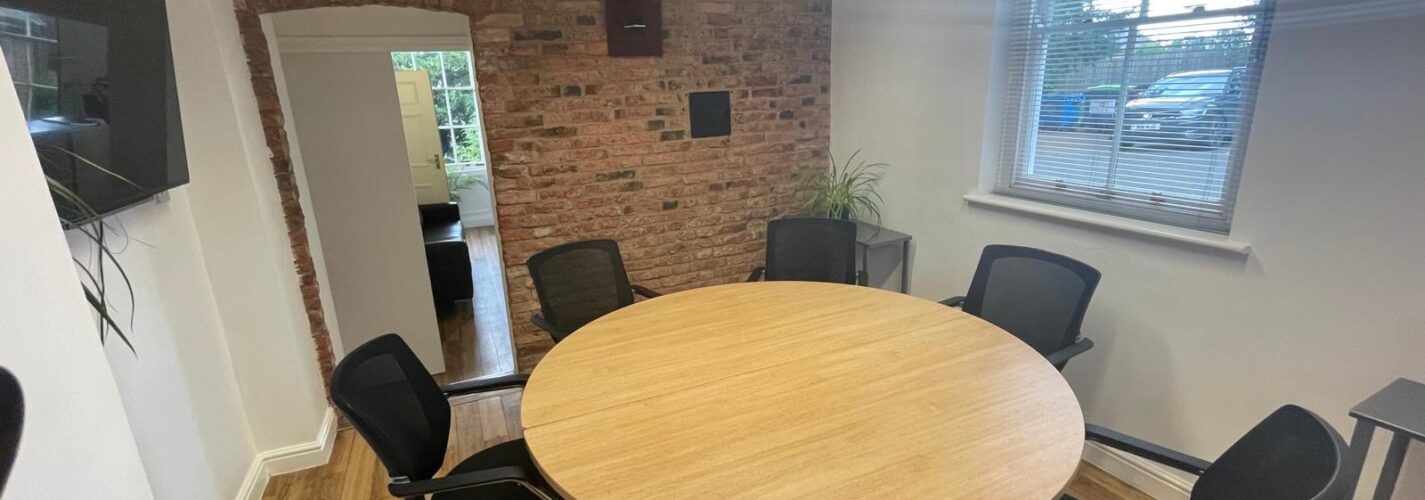
- Boardroom Style: Ideal for smaller, formal gatherings, with a central table and chairs for collaborative discussions.
- Classroom Style: Perfect for training sessions, where attendees face the presenter in rows with tables for note-taking.
- Theatre Style: Best for large groups with minimal interaction, offering maximum seating.
2. Location and Accessibility
Convenient Location: Choose a meeting space that’s easy for all attendees to reach, especially if participants travel from different areas. Proximity to public transport, parking facilities, and nearby amenities like restaurants or hotels can improve the overall experience.
Accessibility for All: Ensure the venue accommodates individuals with mobility needs, including ramps and accessible toilets.
3. Technology and Equipment
The right technology can transform a good meeting into an effective one. Depending on your needs, look for a meeting room setup that includes high-speed Wi-Fi for strong connectivity, a projector or large screen for presentations, a sound system and microphones for large groups, video conferencing tools for remote team members, and power outlets and charging stations for laptops and other devices.
Ensure the technology marries with your needs for a smooth and professional presentation. Nothing is worse than starting a meeting and being unable to connect to a screen or losing the charge on your laptop. Worse still, remote workers video calling into the meeting and losing the WiFi signal!
4. Natural Light and Ambiance
A meeting space with natural light is attractive and can contribute to the attendees remaining alert, especially for long sessions. In addition, consider:
- Temperature control for comfort
- Noise levels to avoid distractions
- Clean, tasteful décor that reflects professionalism
5. Amenities and Services
Some other amenities can make all the difference. Do you need catering services or coffee, snacks, or meals options to keep energy levels up?
Does the space offer the option to rearrange furniture to be adjusted to suit different meeting types?
Matching Meeting Room Features to Event Types
Not all meeting spaces can provide the same features and facilities, so choosing the right one depends on your meeting type and needs.
For training sessions, boardroom or classroom-style layouts help facilitate learning and a dedicated presenter area with access to a projector or screen. When hosting training sessions, consider the space outside the meeting room for breakout gaps during lunch and breaks. Can the attendees go somewhere to get fresh air and stretch their legs? You may also need space for collaborative tasks, so a bigger room is often preferable. A boardroom setup is ideal for small groups of people in a small, intimate setting, ideal for formal presentations to the client or stakeholders. This provides an assured, polished delivery and a quiet, distraction-free environment that is quintessential for maintaining focus.
The layout of a meeting room plays a key role in your meeting’s success.A boardroom-style setup with a large table where everyone can see each other encourages open discussions but may not suit training sessions that require individual work. Similarly, a classroom-style layout supports structured learning but might limit group collaboration. Consider your meeting’s goals and speak to the office manager to ensure you can set up the meeting room as desired and be flexible with furniture. Balancing Practicality and Aesthetics
While functional requirements such as size and technology are significant, do not discount the space’s aesthetics. A pretty space with great lighting and a clean and professional environment makes an impact on the attendees.
If your meeting requires all-day activities, making the room comfortable with access to breakout areas or snack stations will be crucial.
Making the Right Choice for Your Event
Considering these key factors, you’ll be well-equipped to choose an adequate meeting room that meets your needs. Evaluate the size, amenities, and layout options while considering your event’s objectives. Don’t forget to confirm availability to avoid last-minute stress.
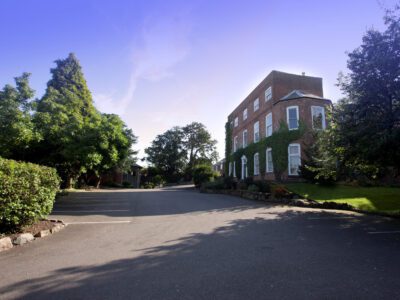
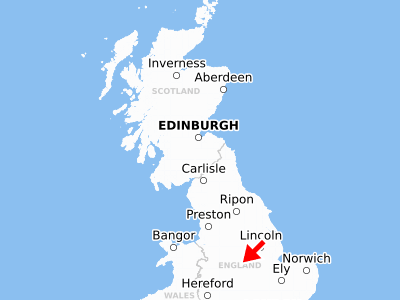
Explore our meeting room hire options if you’re ready to find a meeting space in a quiet but central location close to excellent transport links. Our venues in Castle Donington, Ashby de la Zouch and Glenfield are designed to accommodate various meeting types and offer several options, from catering to support staff, to ensure your event’s success.