Easter has always been a celebration of life, hope, and new beginnings—but it’s fair to say the way we celebrate has changed a lot over the centuries. Originally, Easter marked the resurrection of Jesus Christ, recognised for profound hope and renewal. Early Christians observed it with solemnity: sunrise services, prayers, and feasts that symbolised rebirth and the promise of new life. Eggs, one of the oldest Easter symbols, represented fertility and renewal, long before chocolate got involved!
By the 19th and early 20th centuries, more fun activities started. Enter the Easter bonnet: enormous, feathered, flower-laden hats that were less about keeping the sun off your face and more about proving you had style. Families would parade through towns, showing off these extravagant creations.
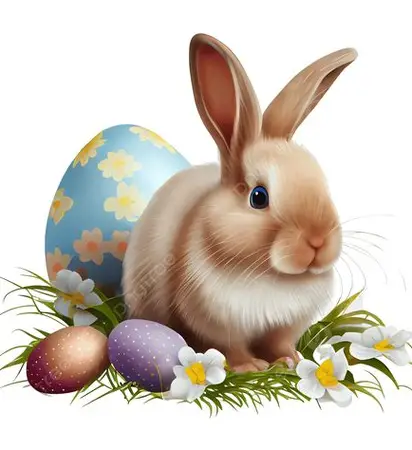
Fast forward to today, and Easter is an energetic mashup of tradition, sugar, and spring madness! The Easter bunny, borrowed from German folklore, now hops around hiding chocolate eggs in spots that defy the laws of physics. Supermarkets have shelves full of various chocolate eggs, from Christmas onwards, there are various Easter themed cakes/biscuits etc. Cadburys crème eggs continue to shrink, social media feeds are plastered with pastel cakes, bunnies, and DIY crafts that would make those old bonnet designers jealous. Egg hunts have become full-blown strategic missions for both kids and adults alike.
And yet, the core of Easter remains: a celebration, a holiday, a feast and spending time with loved ones. We still honour the idea of resurrection and fresh starts, even if our version involves chocolate, chicks, spring flowers and occasionally a selfie with a giant bunny.
So whether you’re digging through the garden for hidden eggs, struggling to wear a hat that could double as a small holding, or reflecting on the original spiritual meaning, Easter is about embracing life—seriously, and not-so-seriously.
Happy Easter everyone!